What This Idea Means
Gratitude is often directed outward, but this journal turns the lens inward to express deep thankfulness for your own resilience, body, and peace of mind.
How to Make It
- Sketch the Outline: On the left side of the spread, draw a continuous single-line abstract portrait, silhouette, or gentle hand posture using a fine black pen.
- Frame the Text: On the right side, leave plenty of negative space and write down three affirmations celebrating what your mind and body accomplished today.
- Keep It Balanced: Maintain a modern, uncluttered art gallery layout.
Tips and Variations
- Warm Neutral Blocks: Paint an irregular organic blob in beige, terracotta, or sage behind the line art.
- Self-Portrait Sketching: Draw a quick abstract outline of yourself relaxing, reading, or drinking tea.
- Golden Line Accent: Highlight a single curve of the drawing with a fine line of liquid gold leaf.
8. The Coffee & Serenity Morning Dialogue
Introduction
A cozy, aromatic morning ritual that links gratitude journaling directly to your daily brewing routine.
What This Idea Means
It transforms making coffee or tea into an intentional mindfulness anchor, using the warmth of your morning cup to cultivate emotional clarity.
How to Make It
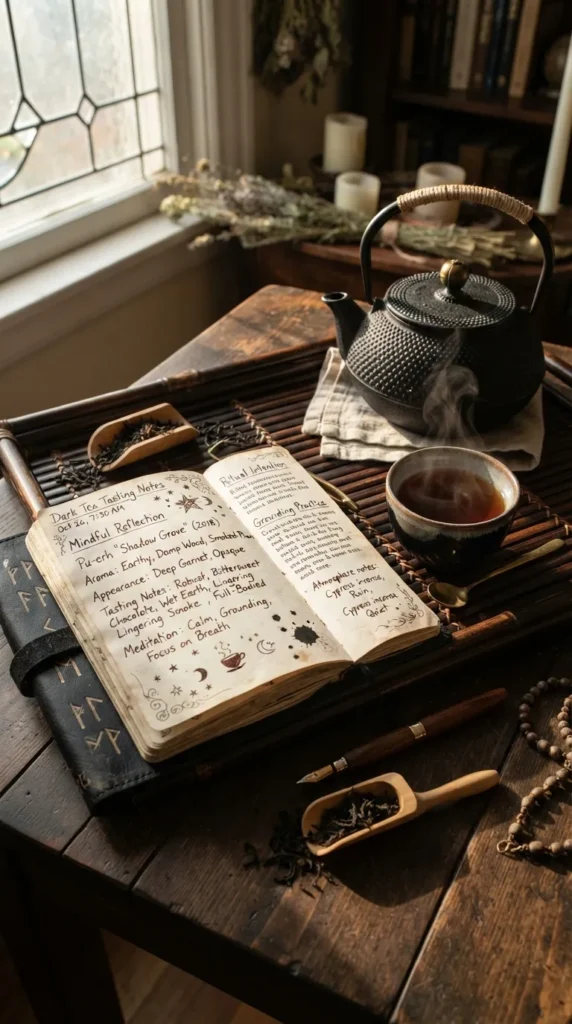
- Set the Ambiance: Brew your favorite pour-over, matcha, or herbal tea. Sit at a quiet table with your journal open.
- The “First Sips” Prompt: Write down three things you are looking forward to today, followed by two quiet moments from yesterday that you are thankful for.
- Coffee Ring Stamp: Intentionally stamp the bottom of your ceramic cup onto scrap paper, cut the circle, and paste it into the corner as a whimsical, authentic date badge.
Tips and Variations
- Tea Stain Wash: Lightly wash the page with brewed black tea before writing to give it a soft, warm vintage tone.
- Cafe Notes: Dedicate this journal specifically to visits to local coffee shops, noting the ambient warmth and conversation.
- Morning Stillness Tracker: Add a simple horizontal slider bar at the top to mark your internal peace level from 1 to 10.
9. The Ribbon-Tied Envelope Pocket Vault
Introduction
The Envelope Pocket Vault uses concealed messages to create a tactile archive of private gratitude letters.
What This Idea Means
Not every thought needs to sit exposed on the page. Concealing reflections inside physical envelopes adds an intimate sense of discovery and mystery.
How to Make It
- Affix Envelopes: Glue handmade translucent vellum or linen paper envelopes onto blank journal pages.
- Write Folded Notes: On small, torn strips of deckle-edge paper, write private expressions of gratitude for people, milestones, or self-realizations.
- Seal and Label: Fold the notes, tuck them inside the envelopes, and secure them with tiny brass paperclips, silk ribbons, or light wax seals. Label the outside with dates to be reopened next year.
Tips and Variations
- Color-Coded Envelopes: Use different pastel shades for envelopes dedicated to relationships, personal triumphs, and unexpected blessings.
- Open When Prompts: Label the envelopes with Open on a cloudy day, Open when you feel overwhelmed, or Open on your next birthday.
- Vellum Windows: Use clear glassine envelopes so the folded handwritten notes are softly visible through the paper.
10. The Monochromatic Architectural Block Spread
Introduction
The Architectural Block Spread uses strict geometric structure, bold typography, and stark monochrome balance to organize gratitude.
What This Idea Means
Designed for lovers of clean lines, brutalism, and editorial layout design. It brings disciplined, stress-free order to emotional reflection.
How to Make It
- Grid Layout: Use a matte black fineliner and a metal ruler to construct crisp rectangular blocks of varying sizes across a dot-grid spread.
- Structured Prompts:
- Box 1: Daily Architecture (The people and systems that supported you).
- Box 2: Structural Highlight (The standout event of the day).
- Box 3: Unseen Foundational Grace (Quiet internal peace or endurance).
- Typography: Use clean, sans-serif block capital letters for titles and dates.
Tips and Variations
- Black & White Negative Space: Invert one block by filling it entirely with solid black ink and writing inside it using an opaque white gel pen.
- Architectural Blueprint: Use light cyan ink on grid paper for a technical drawing aesthetic.
- Monochrome Photo Anchor: Place a single high-contrast black-and-white architectural photo in one corner of the spread.
11. The Watercolor Mood Gradient Horizon
Introduction
The Watercolor Horizon blends chromatic art therapy with reflective writing, using soft water-based color washes to represent daily mood and gratitude.
What This Idea Means
Colors often capture feelings faster than words. This method begins with visual emotion through color gradients, followed by grounding text.
How to Make It
- Apply the Wash: Using wet-on-wet watercolor technique on heavy watercolor paper (300 GSM), paint a gentle horizontal gradient (such as sky blue fading into soft ochre).
- Dry Completely: Allow the gradient to dry flat under a book or with a craft heat tool.
- Overlay Text: Write your daily gratitude statements directly over or beneath the dried watercolor wash using a water-resistant archival pigment pen.
Tips and Variations
- Color-Mood Association: Choose your daily color palette based on how peace, excitement, or contentment felt that day.
- Bleed Edge Technique: Let the watercolor naturally bloom and feather across the borders of the page.
- Gilded Horizon: Add a crisp line of liquid gold or copper gouache along the horizon boundary where two colors meet.
12. The Midnight Stargazer & Celestial Tracker
Introduction
The Midnight Celestial Tracker is an evening journaling technique designed for nighttime reflection under quiet moonlight.
What This Idea Means
Looking up at the night sky brings healthy perspective to daily worries. This practice frames your daily blessings against the backdrop of quiet nighttime wonder.
How to Make It
- Dark Paper Aesthetic: Use a navy blue or midnight black paper notebook.
- Celestial Inks: Write using opaque metallic gold, silver, bronze, or white gel pens.
- The Layout: Draw the current lunar phase at the top of the page. Write down three things that brought lightness into your day, framing them as stars illuminating your evening.
Tips and Variations
- Moon Phase Tracker: Dedicate an entire monthly page to tracking the lunar cycle, with one gratitude phrase per phase.
- Star Mapping: Map out actual constellations (like Ursa Major or Orion) and place a gratitude keyword at each major star node.
- Glow In The Dark Accents: Use luminous pale-green ink accents for a subtle night-glow effect.
13. The Daily “Tiny Wins” Checkbox Layout
Introduction
The Tiny Wins Checkbox Layout provides micro-doses of accomplishment by celebrating ordinary, everyday victories that usually go unnoticed.
What This Idea Means
We often reserve celebration only for major life milestones. This format reframes getting out of bed early, drinking enough water, or pausing to take a breath as worthy of deep gratitude.
How to Make It
- Grid Format: Draw 5–7 square checklist boxes down the left side of a fresh page.
- Log Micro-Victories: Write small wins beside each box (e.g., Replied to the tough email with patience, Stepped away from the desk to stretch, Drank a full glass of water).
- Check Off with Joy: Check the boxes using a vibrant pastel highlighter or small metallic heart stickers.
Tips and Variations
- Praise Quotes: Write a short motivational or grounding quote across the header of the page.
- Micro vs Macro: Split the page vertically into Tiny Quiet Wins on the left and Unseen Graces on the right.
- Weekly Gratitude Tally: Total up your small wins at the end of the week to visualize cumulative growth.
14. The Nature Texture Frottage Rubbing Diary
Introduction
The Frottage Rubbing Diary uses tactile friction art to bring the physical textures of the outdoors directly into your journal.
What This Idea Means
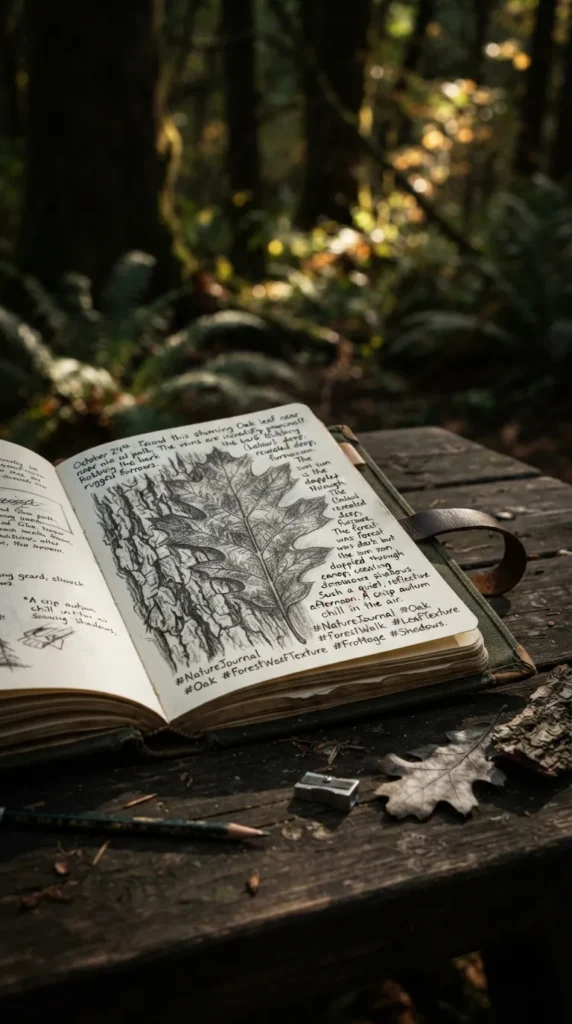
It grounds mindfulness in tactile observation. Pressing paper over tree bark, stone surfaces, or veined leaves connects you physically to the places that brought you calm.
How to Make It
- Locate Textures: Find interesting organic textures outdoors—rough bark, textured patio stones, ornate metal grates, or fallen dry leaves.
- Rubbing Technique: Place thin, durable sketch paper over the textured surface. Rub gently with the flat side of a graphite stick, conté crayon, or beeswax crayon until the pattern transfers.
- Journal Around the Art: Cut out the textured rubbing, paste it into your journal, and write your gratitude reflection wrapping organically around the shape.
Tips and Variations
- Leaf Skeleton Impressions: Use autumn leaves with raised veins to create sharp, delicate botanical textures.
- Colored Wax Crayons: Use warm earthy tones (burnt sienna, olive green, raw umber) for the rubbings.
- Location Stamp: Record the exact GPS coordinates or street corner where the rubbing was gathered.
15. The Editorial Typographic Quote Highlight
Introduction
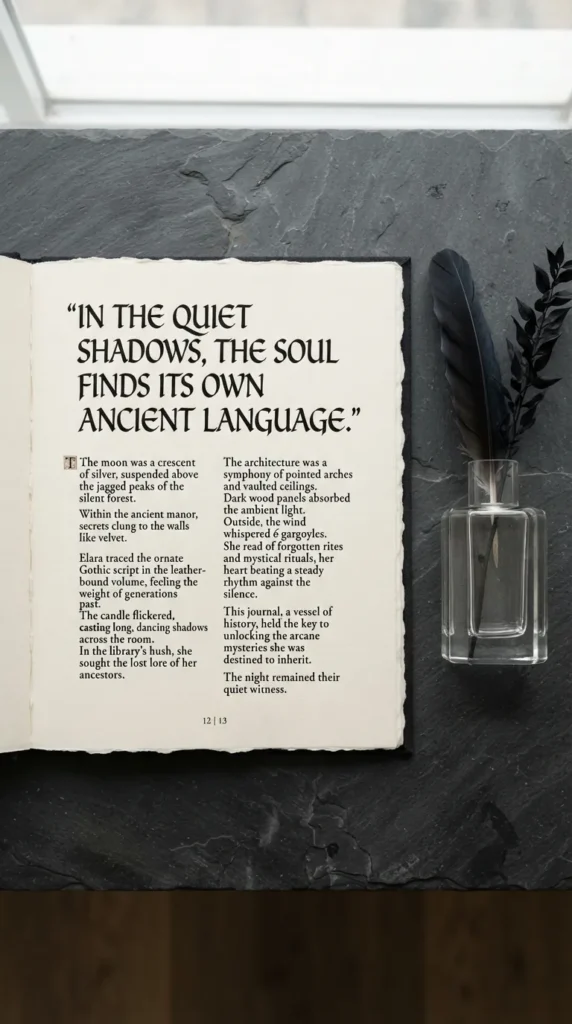
The Editorial Typographic Quote Highlight borrows layout principles from high-end fashion and lifestyle magazines, putting a single meaningful sentence front and center.